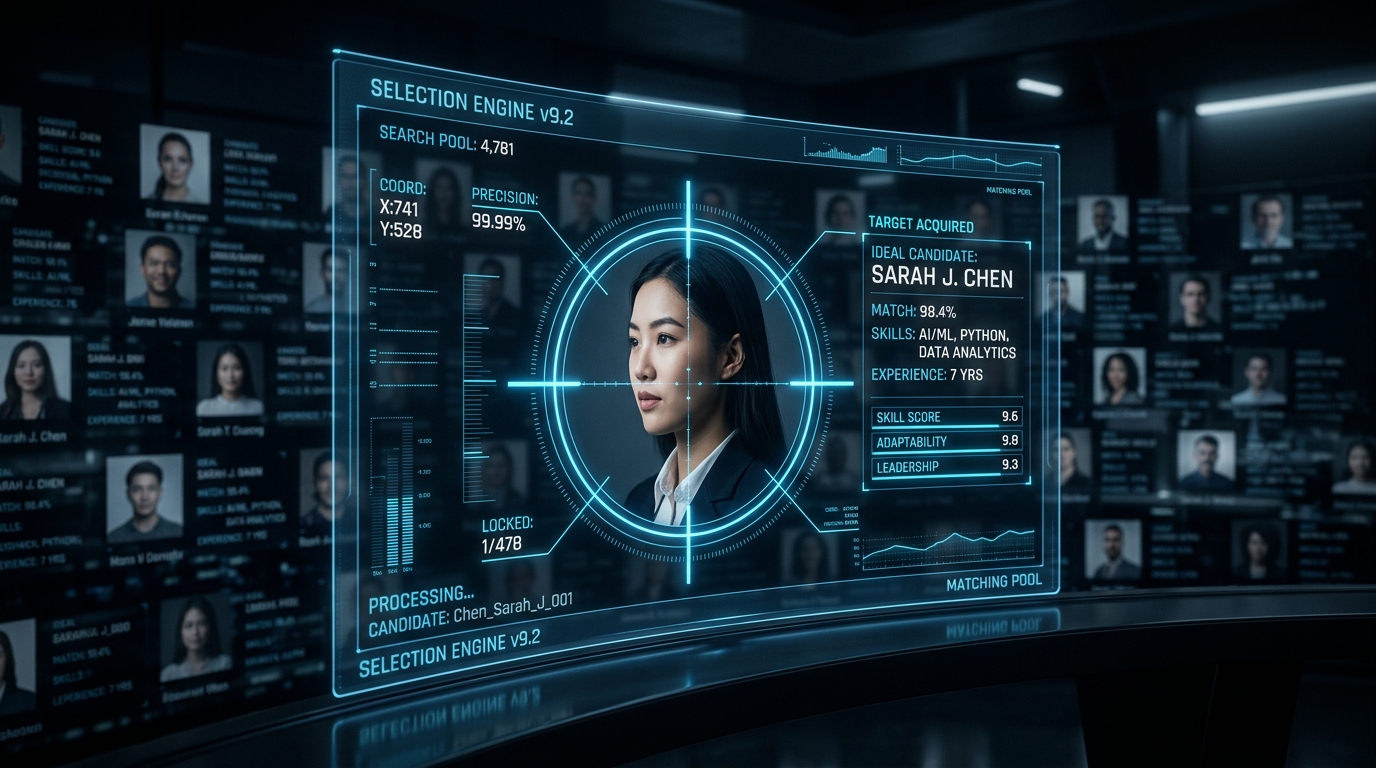
Can Recruiters Trust AI-Generated Resumes?
Can Recruiters Trust AI-Generated Resumes?
In this article: Can Recruiters Trust AI-Generated Resumes?.
Parth Bhatt
Co-Founder, Umemployed
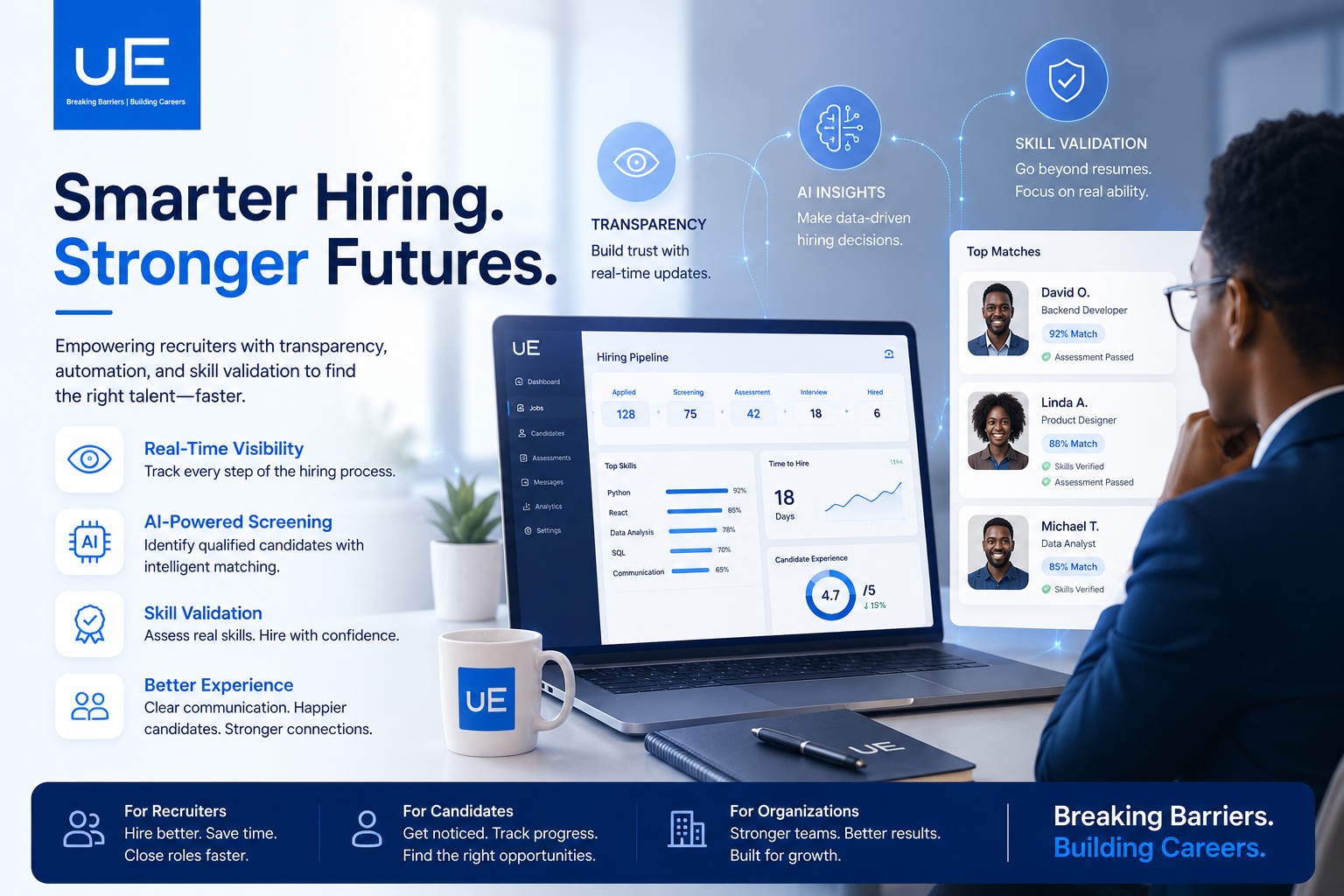
AI-generated resumes are becoming common, creating both opportunities and challenges for recruiters. Learn how hiring teams can identify genuine talent beyond polished applications.
Hiring continues to evolve rapidly as organizations compete for talent in an increasingly complex labor market. Recruiters are receiving more applications, candidates expect faster responses, and businesses are under pressure to make better hiring decisions. Traditional processes often struggle to keep pace with these expectations.
One of the most significant trends shaping recruiting today is the shift toward transparency, automation, and skill validation. Candidates want visibility into where they stand in the hiring process, while recruiters need tools that help them identify qualified talent efficiently. As a result, many organizations are adopting AI-powered screening, assessments, and workflow automation to improve outcomes.
For candidates, the experience matters more than ever. A lack of communication can lead to disengagement and lost opportunities. For recruiters, delays and inefficiencies can result in top talent accepting competing offers. The organizations that succeed are those that reduce friction and improve the overall experience for everyone involved.
Looking ahead, recruiting will become increasingly data-driven while still relying on human judgment. Technology can help surface insights and streamline processes, but meaningful hiring decisions will continue to require context, evaluation, and relationship-building. Companies that strike the right balance between automation and human involvement will be best positioned to attract and retain top talent.
Platforms like UmEmployed are built around these emerging realities, focusing on transparency, real-time visibility, and skill validation. As hiring expectations continue to evolve, solutions that address both recruiter and candidate pain points will play an increasingly important role in shaping the future of work.
About Parth Bhatt
Co-Founder, Umemployed
Parth Bhatt is a passionate professional with extensive experience in their field. They share insights and practical advice to help others succeed in their careers.